Marketing & Branding
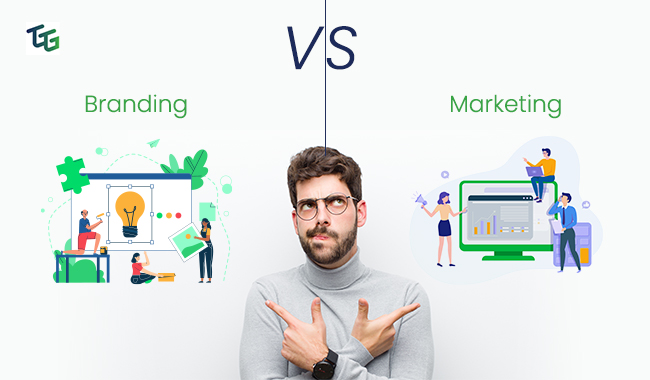
Marketing & Branding: Building a Strong Identity and Driving Business Growth
Marketing and branding are two essential components of business success. While marketing focuses on promoting products and services to drive sales, branding establishes a company's identity, values, and emotional connection with customers. Together, they create a powerful strategy that helps businesses attract, engage, and retain customers in a competitive market.
Understanding Marketing & Its Importance
Marketing is the process of promoting, selling, and distributing products or services to a target audience. It involves understanding customer needs, creating value, and communicating that value effectively. A well-planned marketing strategy helps businesses:
- Increase brand awareness
- Generate leads and conversions
- Build customer trust and loyalty
- Stay competitive in the market
Marketing encompasses various channels and strategies, including digital marketing, traditional advertising, content creation, and public relations.
Key Components of Marketing
1. Market Research & Consumer Insights
Before launching a campaign, businesses must conduct market research to understand their audience, industry trends, and competitors. Analyzing customer preferences, pain points, and purchasing behaviors helps create targeted marketing strategies.
2. Content Marketing
Content marketing involves creating and sharing valuable, relevant content to attract and engage a specific audience. Blog posts, videos, podcasts, infographics, and case studies help establish authority, educate customers, and drive organic traffic.
3. Social Media Marketing
Platforms like Facebook, Instagram, LinkedIn, and TikTok allow businesses to connect with their audience, share content, and run paid ads. Engaging social media marketing helps build brand awareness and fosters customer relationships.
4. Search Engine Optimization (SEO)
SEO improves a website's visibility on search engines like Google. By optimizing content with relevant keywords, improving site speed, and building backlinks, businesses can increase organic traffic and attract potential customers.
5. Email Marketing
Email marketing remains one of the most effective ways to nurture leads and retain customers. Personalized email campaigns, newsletters, and promotional offers help businesses maintain engagement and encourage repeat purchases.
6. Paid Advertising (PPC & Display Ads)
Pay-per-click (PPC) advertising, such as Google Ads and social media ads, allows businesses to target specific demographics and drive instant traffic. Display ads, retargeting campaigns, and influencer collaborations also enhance visibility and conversions.
7. Affiliate & Influencer Marketing
Partnering with influencers and affiliates helps businesses reach new audiences and build credibility. Influencer endorsements and affiliate programs provide social proof, making products and services more appealing to potential customers.
What is Branding & Why Does It Matter?
Branding is more than just a logo or tagline; it is the overall perception of a business in the minds of consumers. A strong brand differentiates a company from competitors, creates emotional connections, and builds trust.
Effective branding ensures that customers recognize and remember a business, fostering long-term loyalty. It includes elements such as brand identity, messaging, values, and customer experience.
Key Elements of Branding
1. Brand Identity
Brand identity consists of visual elements such as logos, color schemes, typography, and design. These elements should be consistent across all marketing materials to create a recognizable and professional image.
2. Brand Voice & Messaging
A brand’s voice defines how it communicates with its audience. Whether friendly, professional, or authoritative, consistency in messaging helps reinforce the brand’s personality and values.
3. Unique Value Proposition (UVP)
A UVP clearly defines what makes a brand different and why customers should choose it over competitors. It focuses on solving customer problems and delivering unique benefits.
4. Emotional Connection & Storytelling
Successful brands evoke emotions through storytelling. Sharing a brand’s journey, mission, and values helps build deeper relationships with customers. Brands like Apple and Nike use storytelling to inspire and connect with their audience.
5. Brand Experience
Every interaction a customer has with a business shapes its brand perception. From website design and customer service to packaging and social media interactions, creating a seamless and positive experience is key to strong branding.
How Marketing & Branding Work Together
While marketing drives awareness and sales, branding ensures customers remember and trust a business. A well-executed marketing campaign attracts new customers, while a strong brand keeps them loyal.
For example, a digital ad campaign may bring visitors to a website, but branding elements—such as a memorable logo, compelling story, and consistent messaging—turn those visitors into loyal customers.
Businesses that balance marketing and branding effectively experience long-term growth and customer retention.
Tips for Effective Marketing & Branding
- Know Your Audience – Understanding customer needs and preferences helps tailor marketing messages and branding strategies.
- Maintain Consistency – Consistent branding across all platforms builds trust and recognition.
- Focus on Customer Experience – Providing exceptional service and value strengthens brand loyalty.
- Leverage Social Proof – Testimonials, reviews, and influencer collaborations enhance credibility.
- Stay Adaptable – The digital landscape evolves quickly, so businesses must keep up with trends and customer expectations.
Conclusion
Marketing and branding are essential for business success. While marketing drives visibility and sales, branding builds long-term customer relationships. By integrating effective marketing strategies with a strong brand identity, businesses can establish themselves as industry leaders and achieve sustainable growth.
8 0 7
Write a Comments
* Be the first to Make Comment


Recent Posts

Web Development

Mental health

Affiliate marketing graph...

Tech in Health care:-How...

Virtual Reality

Unlock Your Creativity wi...

Health and fitness equipm...

Cryptocurrency- The Futur...

Case studies

Social media

Contact Details
(+91) 81306 40 966
(+91) 78277 51662
live:trimwebsolutions
New Delhi, India