 Trimwebsolutions
Software Development
Custom Software vs. Spreadsheets: When to Upgrade Your Business
By M.K. Verma · 19 November 2026
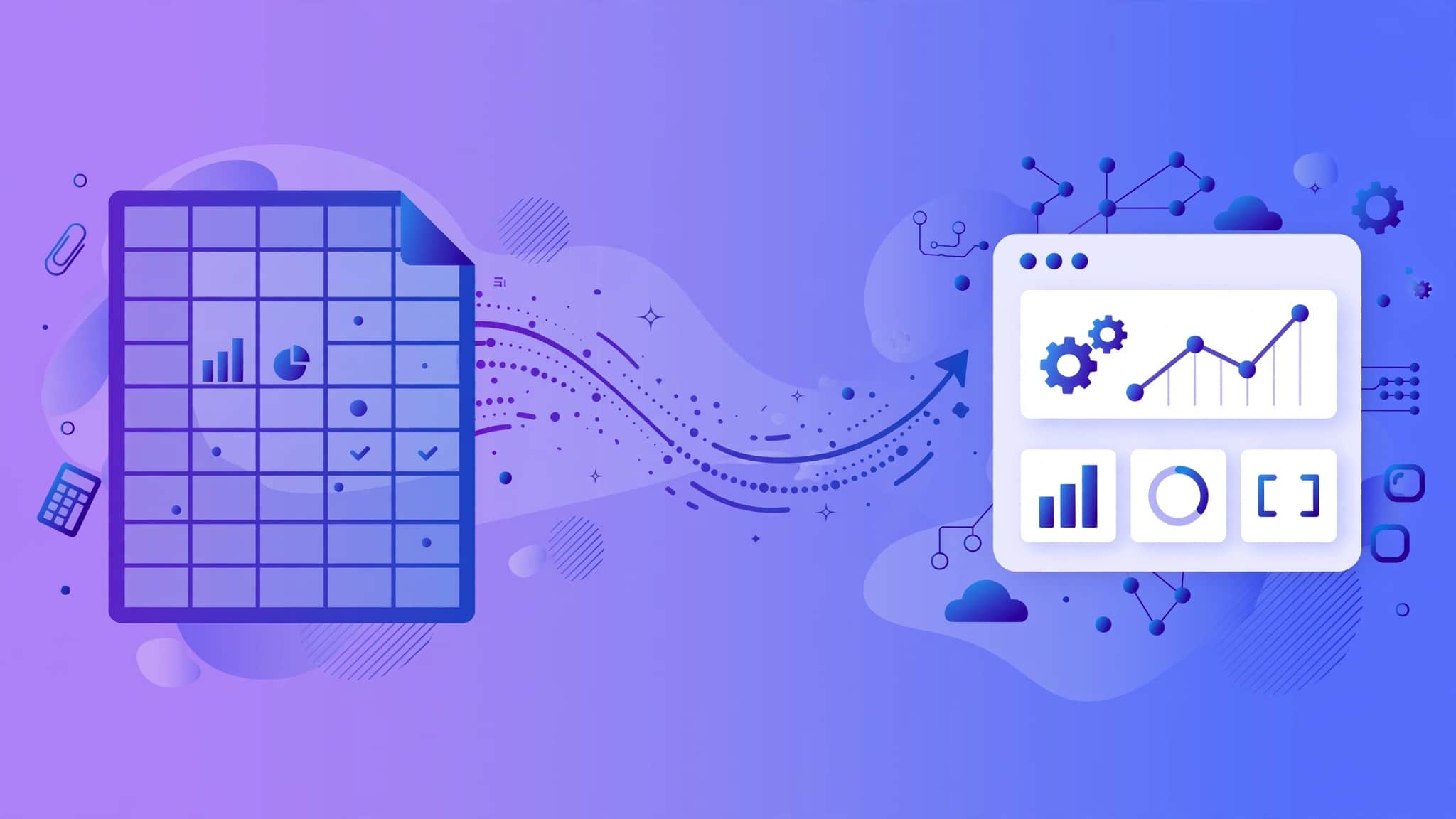
Many Indian businesses, from startups to established SMEs, begin their journey relying heavily on spreadsheets like Microsoft Excel or Google Sheets. They are accessible, flexible, and seemingly cost-effective tools for managing a wide array of data—from customer lists and sales figures to inventory and project timelines. For a small operation, spreadsheets can be incredibly powerful. They allow for quick data entry, basic calculations, and a degree of organization that helps get things off the ground. However, as a business expands, its needs evolve, and what once was a solution can quickly become a significant bottleneck. The question then becomes not if, but when, to move beyond these familiar tools and embrace a more robust, tailored software solution.
Signs Your Business Has Outgrown Spreadsheets
Data Inaccuracy and Errors
One of the most common red flags is the increasing incidence of errors. Manual data entry across multiple linked spreadsheets is prone to human mistakes. A single incorrect formula or misplaced digit can ripple through entire reports, leading to flawed decisions, financial discrepancies, and wasted time in reconciliation. As your data volume grows, so does the risk of these costly errors.
Slow and Inefficient Processes
Are simple tasks taking too long? If your team spends hours manually updating records, consolidating data from various files, or generating reports that require complex lookups and copy-pasting, your processes are inefficient. Spreadsheets aren't designed for complex, real-time collaboration or automated workflows. This drag on productivity can prevent your business from responding quickly to market changes or customer demands.
Lack of Scalability and Collaboration Issues
Spreadsheets struggle to scale with your growth. As more employees need access to and concurrently edit data, version control becomes a nightmare. Who has the latest file? Was that change saved? This lack of a single, authoritative data source hampers effective teamwork. Custom software, on the other hand, is built to handle increasing data volumes and multiple users seamlessly, often with granular access controls.
Security and Data Integrity Concerns
Protecting sensitive business information is paramount. Spreadsheets offer limited security features. They can be easily deleted, corrupted, or accessed by unauthorized personnel. Storing critical financial, customer, or inventory data in unprotected files poses a significant risk. Custom software includes robust security protocols, backup systems, and user permissions to safeguard your valuable assets.
Difficulty in Reporting and Analysis
While spreadsheets can generate basic charts, getting deep, insightful analytics and custom reports often requires considerable manual effort and advanced Excel skills. If you're struggling to get a clear, consolidated view of your business performance, or if generating essential management reports is a monthly ordeal, you're missing out on critical insights that custom software can provide instantly.
The Advantages of Moving to Custom Software
Tailored to Your Specific Needs
Unlike off-the-shelf solutions that might offer too much or too little, custom software is developed precisely for your business processes. This means no unnecessary features, no clunky workarounds, and a system that perfectly aligns with how your team operates. Whether you need a specific inventory management system or a unique CRM, the software is built to fit you, not the other way around.
Improved Efficiency and Automation
Custom software automates repetitive tasks that consume significant time in a spreadsheet environment. From generating invoices and tracking orders to managing customer interactions and project progress, automation frees up your team to focus on strategic activities, boosting overall productivity. This automation can streamline operations across various departments.
Enhanced Data Accuracy and Reliability
By centralizing data and enforcing validation rules, custom software drastically reduces human error. Data is entered once and accessible everywhere, ensuring consistency and reliability across all reports and operations. This leads to better decision-making based on accurate, real-time information.
Scalability for Future Growth
As your business grows, custom software can be adapted and expanded to meet new demands. It's built with your future in mind, allowing you to add new modules, users, or functionalities without having to overhaul your entire system. This provides a long-term solution that scales with your ambition.
Superior Security and Compliance
Robust security features, including advanced encryption, user authentication, and regular backups, protect your sensitive data from breaches and loss. Custom solutions can also be designed to comply with specific industry regulations, giving you peace of mind.
Better Insights and Reporting
Custom software provides powerful analytics and reporting dashboards. You can generate custom reports with a few clicks, gaining deep insights into sales trends, customer behavior, operational bottlenecks, and financial performance. This ability to easily develop mobile app style reports or web-based dashboards helps managers make informed, data-driven decisions.
Making the Right Move: From Spreadsheets to Software
Assess Your Needs
Before taking the plunge, thoroughly evaluate your current processes and identify the specific pain points that spreadsheets can no longer handle. What functions are crucial? What data needs to be managed? What workflows need automation? A clear understanding of your requirements is the first step towards a successful transition.
Consider the Investment
Custom software development is an investment, both in terms of time and capital. While upfront costs might seem higher than continuing with 'free' spreadsheets, consider the long-term savings from increased efficiency, reduced errors, improved security, and better decision-making. It's about ROI, not just initial outlay.
Choose the Right Partner
Selecting a capable software development partner is critical. Look for a company with a proven track record in building robust, user-friendly solutions for businesses similar to yours. They should understand your vision, offer transparent communication, and guide you through the entire development lifecycle, perhaps employing agile system development methodologies for iterative improvements. Companies like Trimwebsolutions in Delhi NCR offer expert web and software development services, helping businesses in India develop mobile app solutions, custom web applications, and comprehensive digital marketing strategies.
Plan for Implementation and Training
A successful transition requires careful planning. This includes data migration from your existing spreadsheets, thorough testing of the new system, and comprehensive training for your team. A phased rollout can often be less disruptive than a 'big bang' approach.
Conclusion: A Strategic Step for Growth
Moving from spreadsheets to custom software is a significant, yet often necessary, step for any growing business in India. It's a strategic investment that enables greater efficiency, accuracy, security, and scalability, ultimately empowering you to focus on innovation and expansion rather than wrestling with manual data. When the limitations of your current tools begin to hinder your growth, it’s time to explore the transformative power of tailored software solutions designed to propel your business forward.